Siamese Algae Eater Care Guide
Crossocheilus oblongus · Herbivore care · 30 gallon minimum
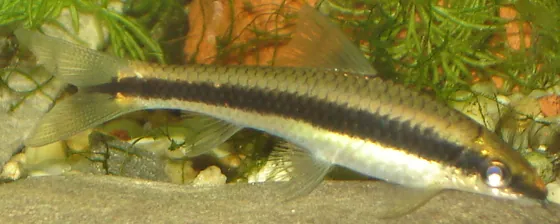
One of the few fish that actually eats hair and black-beard algae; active and peaceful in a group.
Check your stocking with the stocking calculator →
How big does a siamese algae eater get?
A siamese algae eater (Crossocheilus oblongus) reaches about 6.0 inches as an adult. Plan tank size and tank mates around the adult size, not the small fish you buy at the store.
Tank size & setup
Give a siamese algae eater a minimum of 30 gallons, with water at 75–81°F and a pH of 6.5–8. Keep them in groups of at least 4 — they are shoaling fish and become stressed and washed-out alone. As a herbivore-care, omnivore species, a stable, cycled tank with the right diet keeps them healthiest.
Good tank mates
Pair a siamese algae eater with peaceful species that share its temperature and pH range. Compatible options include:
- Neon Tetra — 1.5", 10g min
- Guppy — 2.0", 10g min
- Molly — 4.0", 20g min
- Platy — 2.5", 10g min
- Zebra Danio — 2.0", 10g min
About the siamese algae eater
The Siamese algae-eater is a species of freshwater fish in the carp family, Cyprinidae. This bottom-dwelling tropical fish is found in Mainland Southeast Asia, including the Chao Phraya and Mekong basins as well as the Malay Peninsula. Its natural habitats are streams and rivers as well as flooded forests during the rainy season. The Siamese algae-eater should not be confused with the flying fox or the false siamensis , lacking the distinctive black bands of the former.
Recommended gear for siamese algae eaters
As an Amazon Associate we earn from qualifying purchases.